
Description
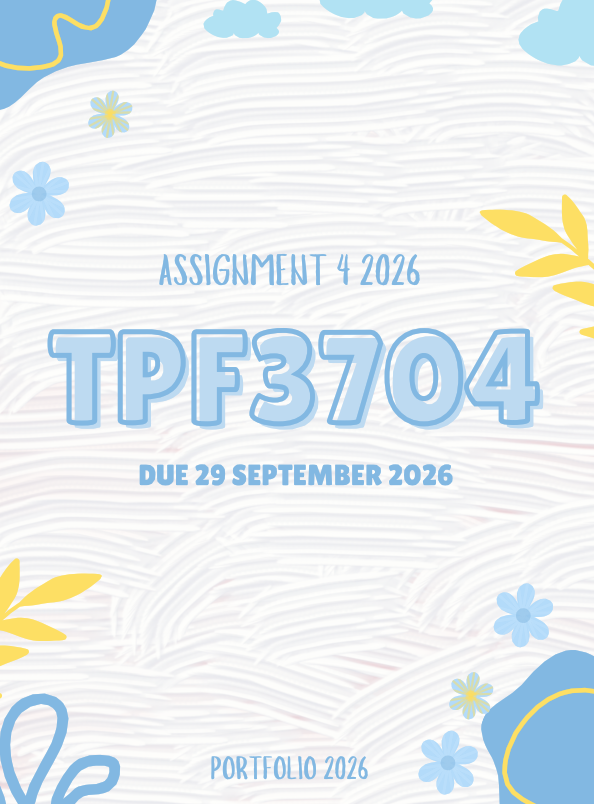
TPF3704 Assignment 4 Portfolio Semester 2 2026 – Due 29 September 2026
R100.00
0 Downloads
TPF3704 Assignment 4 Portfolio Semester 2 2026 – Due 29 September 2026
TPF3704 Assignment 4 Portfolio Semester 2 2026 – Due 29 September 2026



TPF3704 Assignment 4 Portfolio Semester 2 2026 – Due 29 September 2026
There are no reviews yet.
This downloadable Assignment Study Resource is listed for the UNISA module TPF3704. Review the document title, description, seller information, price and learner reviews before purchasing to make sure it matches your current module requirements.
StudyPass helps distance-learning students search by module code and discover notes, revision material and study resources shared by independent sellers. Always compare the resource details with your latest official UNISA tutorial letters and assessment instructions.
Search for another UNISA module code or visit the UNISA Study Hub for practical distance-learning and exam-preparation tips.



Reviews
There are no reviews yet.